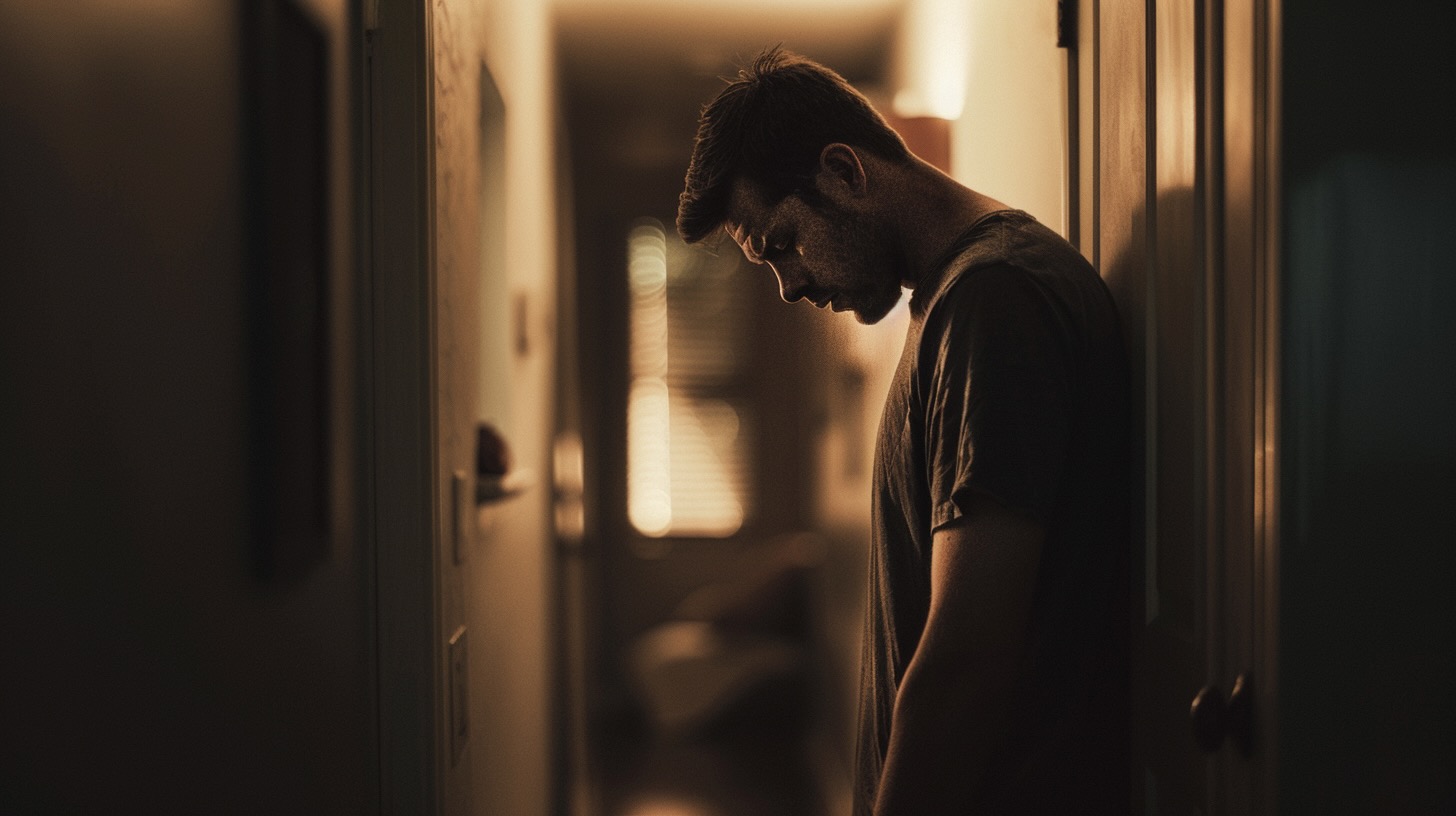
You don’t have an anger problem. At least, that’s what you tell yourself. You’re just stressed. You’re under a lot of pressure. Anyone would react the way you did.
But then you see your partner's face after you raised your voice. Or your kid flinches at your frustration. Or you punch a wall, slam a door, or say something you can’t take back, and the guilt that follows is strong.
If this sounds familiar, you’re not alone. Anger is the most common issue men bring to therapy, and one of the most misunderstood. This article is about what’s actually driving it, why it keeps getting worse, and what you can do about it before it costs you the things that matter most.
Why Men Get Angry (It’s Not What You Think)
Most men see anger as the problem, but it’s usually just a sign of something deeper: feelings you haven’t learned to process.
Anger often hides more vulnerable emotions like hurt, fear, or shame. Many men weren't taught to express these emotions, so they turned to anger as their go-to response. This isn’t because you’re a bad person. It’s just the only tool you learned for managing difficult feelings.
Stress without release builds pressure: work, money, relationships, and family all add up. You're not reacting to the dishes—you’re reacting to everything at once.
Past experiences can shape present reactions. Men who grew up with criticism, neglect, or anger as the norm may still carry those responses today. The anger you feel now repeats patterns learned early on.
Feeling powerless triggers the anger response. When men feel powerless, whether in their career, in their relationship, or in their ability to fix something, anger is the brain’s way of trying to regain control. It feels active and powerful in the moment, which is why it’s so tempting to lean into. But the control anger gives you is an illusion. It pushes people away, shuts down communication, and ultimately leaves you with less control than you had to begin with.
How Anger Destroys Relationships (Slowly, Then All at Once)
Most men who struggle with anger don’t realize the full damage it’s doing until the consequences become impossible to ignore. Here’s how it typically plays out.
Your partner stops being honest with you. When anger is in the room, honesty leaves. Your partner learns to manage your mood rather than communicate openly. They start walking on eggshells, editing what they say, avoiding topics that might set you off. You think things are calm. In reality, they’ve just stopped trying.
Your kids learn to fear your reactions. Children don’t distinguish between anger directed at them and anger that happens around them. A slammed cabinet, a raised voice, a tense silence — these all register the same way in a child’s nervous system. Over time, they learn to withdraw, to people-please, or to replicate the anger themselves. The pattern continues.
Emotional intimacy fades. Anger blocks vulnerability. Without vulnerability, there’s no real intimacy. Your partner may stay physically present, but emotionally, they pull away. The connection you want is damaged by what you do to protect yourself.
You start to isolate. After enough blowups, many men withdraw, not because they don’t care, but because they don’t trust themselves. You pull back from social situations, from conflict, from your partner. The isolation feels safer than risking another explosion. But isolation feeds the cycle: the less connected you are, the more pressure builds, with nowhere to go.
What Actually Helps (And What Doesn’t)
If you’ve looked up ways to manage anger, you’ve likely come across techniques like counting to ten or taking deep breaths. While helpful in the moment, these approaches only skim the surface. The real takeaway: address the underlying issues driving your anger for lasting change.
Learn to recognize the warning signs in your body. Anger doesn’t come out of nowhere. It builds — tight jaw, clenched fists, racing heart, heat in your chest. Most men don’t notice these signals until they’ve already crossed the line. Learning to recognize the early physical signs of anger gives you a window to respond differently before the explosion happens.
Identify what’s underneath the anger. This is the real work. When you feel anger rising, the question isn’t “Why am I angry?” It’s “What am I actually feeling?” Am I hurt? Am I scared? Am I feeling disrespected, powerless, or ashamed? When you can name the real emotion, the anger often loses its grip — because it was never about the anger in the first place.
Understand your triggers — and where they come from. Everyone has triggers: specific situations, words, or dynamics that reliably set them off. Understanding yours isn’t about making excuses. It’s about recognizing that your reaction in the present is often disproportionate because it’s connected to something from the past. A therapist can help you trace those connections and break the link between old wounds and current explosions.
Build a different response pattern. Anger is a habit. And like any habit, it can be replaced, but not with willpower alone. You need to practice a different response until it becomes automatic. That might mean learning to say “I need a minute” instead of escalating. It might mean learning to express frustration without raising your voice. It might mean learning to sit with discomfort rather than react to it. These skills don’t come naturally to most men — but they can be learned.
Talk to someone who understands men and anger. This is where therapy makes the biggest difference. A male therapist who specializes in men’s issues has seen your pattern hundreds of times. He’s not going to judge you for your anger or tell you to just “be calmer.” He’s going to help you understand what’s driving it, build specific strategies for your specific triggers, and hold you accountable to a different way of showing up — at home, at work, and with yourself.
The Line Between Normal Frustration and a Real Problem
Everyone gets frustrated. Everyone raises their voice sometimes. Anger itself isn’t the problem. It’s a normal human emotion. The problem is when anger starts controlling you instead of the other way around.
Here are some signs that your anger has crossed from normal frustration into something that needs attention:
• Your partner, kids, or coworkers are afraid of your reactions
• You’ve said or done things during anger that you deeply regret
• Small things trigger disproportionately large responses
• You feel angry more often than you feel anything else
• You’ve noticed people pulling away from you
• You’ve damaged property, punched walls, or thrown things
• The anger is followed by intense guilt or shame
• You use alcohol, porn, or other substances to manage your feelings
If you recognized yourself in three or more, it’s time to talk to someone. It’s not a character flaw. Your coping system is overloaded, and there’s a better way forward.
Your Anger Isn’t Who You Are. It’s What You Do When You’re Out of Options.
The hardest part of dealing with anger is separating it from your identity. A lot of men think “I’m an angry person” — as if it’s a permanent character trait. It’s not. Anger is a response pattern, and response patterns can be changed.
The key takeaway: Men who face their anger, explore its roots, and consciously adopt new ways of responding can improve their relationships, parenting, and overall well-being. You don’t have to eliminate anger, but you can learn to use it as helpful information rather than a weapon.
Remember: You can choose a different way forward. Takeaways from this article, recognizing what’s beneath your anger and seeking support, can help you and those around you break free from these patterns.
If you’re ready to address the true source of your anger, here’s what to do next.
Anchor Men’s Therapy connects you with a male therapist who has worked with hundreds of men on anger — and who understands that the anger isn’t the real problem. Every therapist on our team is male, and every session is online.
We offer a free consultation so you can find the right fit before committing. No pressure. No judgment. Just a conversation about what’s going on and what you want to change.
Find a male therapist in your city:
Toronto | Vancouver | Calgary | Montreal | Ottawa | Edmonton | Halifax | Winnipeg | New York City | Los Angeles | Chicago | Houston | Dallas | Philadelphia | Phoenix | San Diego | San Antonio | Columbus